
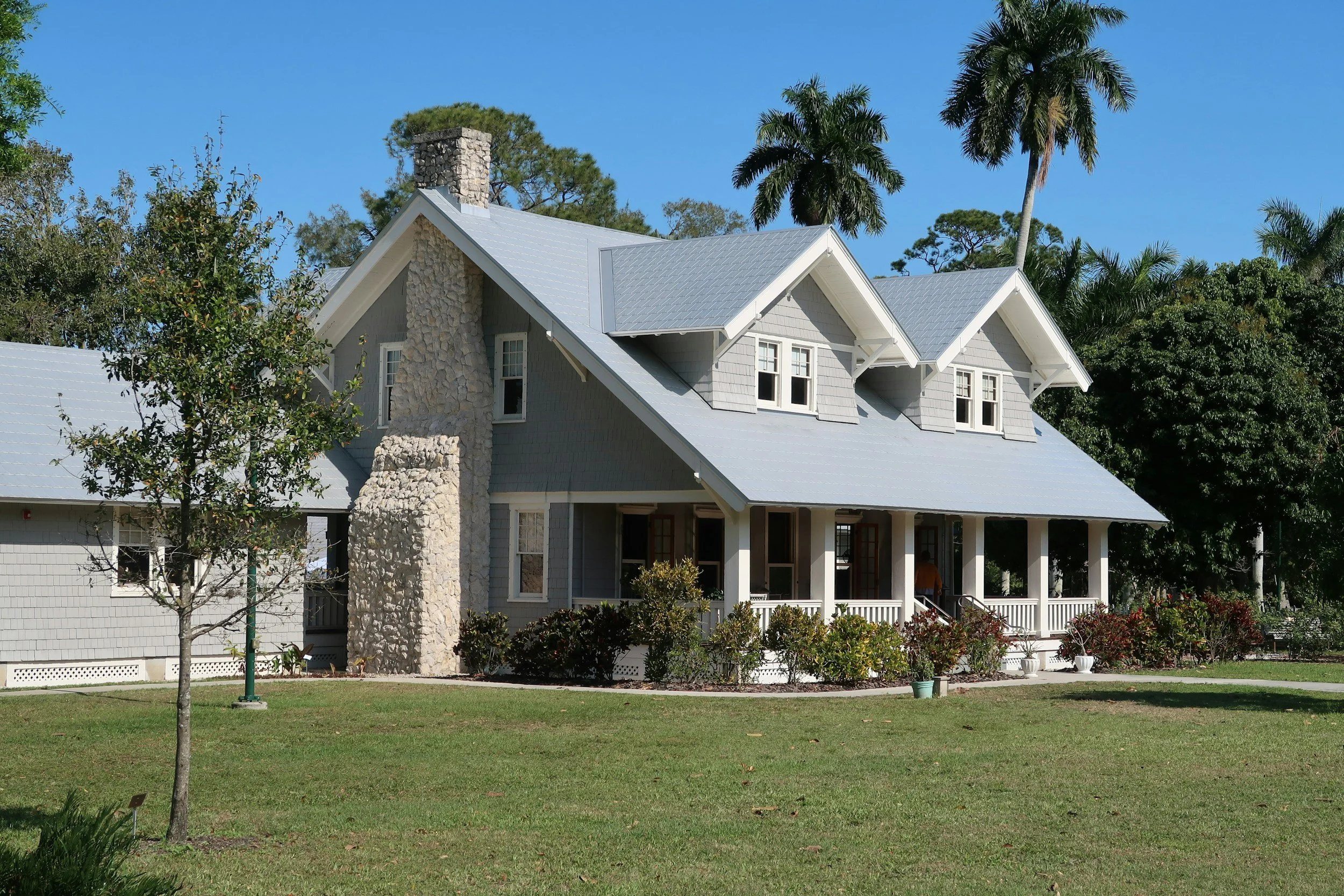
Water Damage Remediation in Ottawa/Gatineau
What Is Water Damage Remediation?
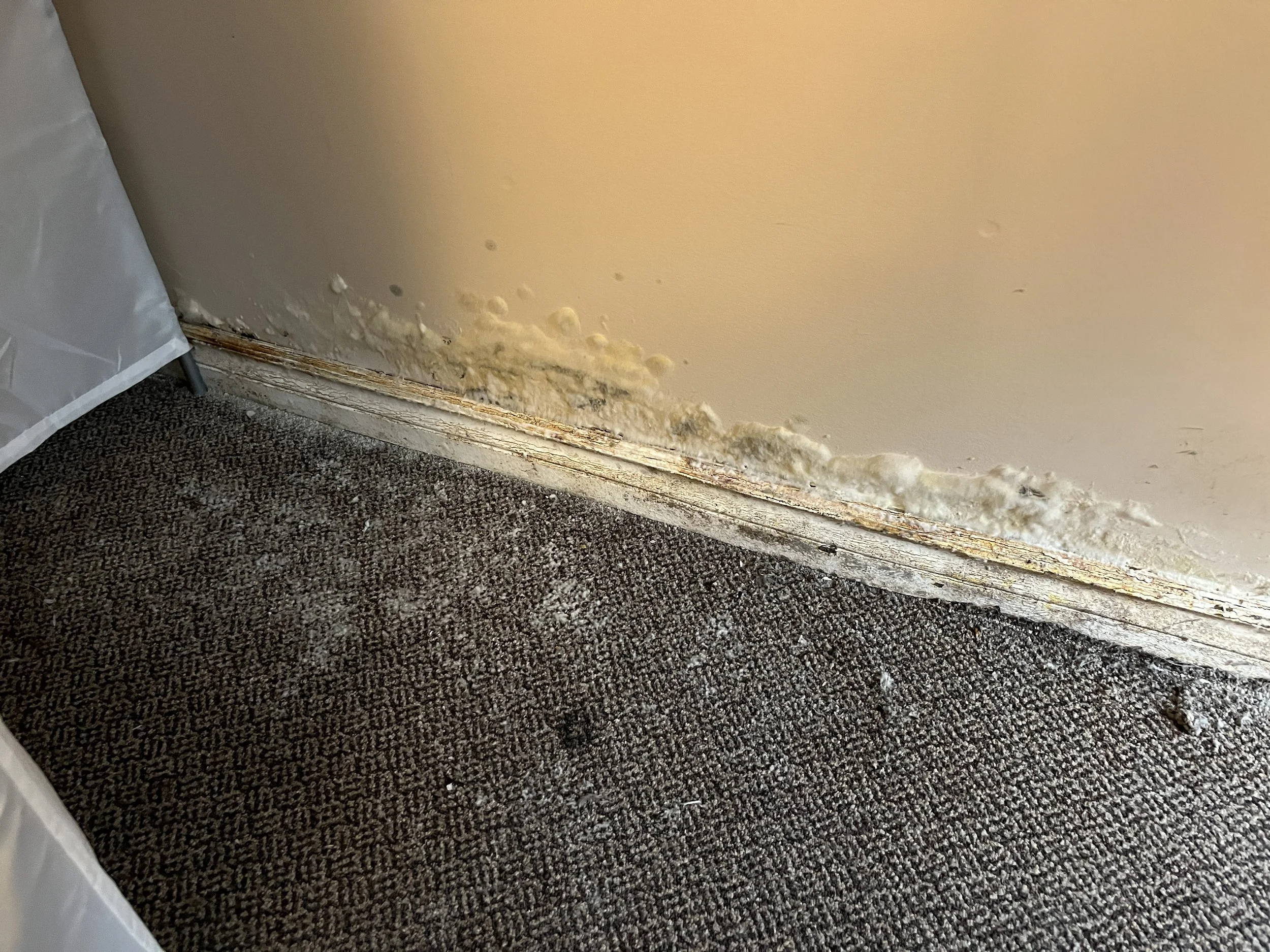
Remediation means finding what's causing the damage, fixing it at the source, and restoring everything so it's safe and functional again.
It's not a quick patch. When water gets where it shouldn't—from a burst pipe, a roof leak, a foundation crack—the visible damage is often just the beginning. Moisture trapped behind walls or under floors leads to mold, structural damage, and bigger problems down the road.
Proper water damage remediation means drying everything thoroughly, removing materials that can't be saved, and making sure the underlying cause is actually fixed before we start rebuilding. That's what separates a temporary fix from an actual solution.
Our Water Damage Remediation Process
-
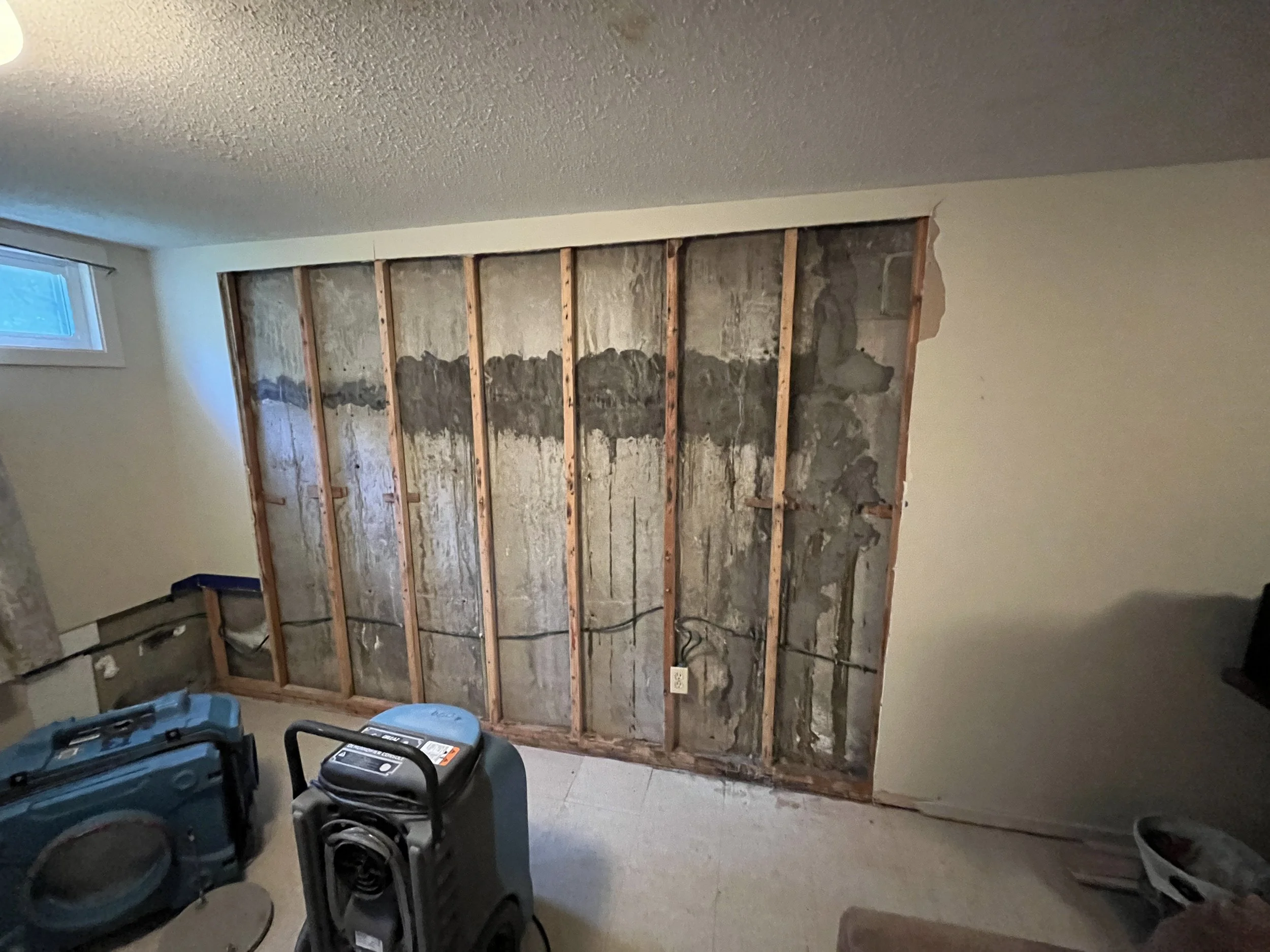
We respond same-day, usually within hours. On arrival, we assess the situation, stop any ongoing water intrusion if possible, and install industrial drying equipment. We also walk you through the full process so you know what to expect.
-
Industrial fans and dehumidifiers run continuously. We return to check moisture levels and may remove additional wet materials, like flooring or drywall, to help things dry faster. This step can't be rushed. Drying too quickly or incompletely causes more problems later.
-
Once dry, we remove all affected materials that can't be saved. If there's mold, we set up proper containment to protect the rest of your space and follow certified mold remediation protocols for safe removal.
-
Now we rebuild: drywall, insulation, flooring, paint, fixtures, whatever was affected. Because we handled the remediation, we know exactly what was removed and what needs to go back. One team from start to finish means no miscommunication between contractors.
-
You get full documentation—photos, reports, what was done and why. For property managers, this means clean records for boards and owners. For insurance claims, it means proper paperwork.
Choose Dynamic for Water Damage Remediation in Ottawa
A lot of contractors patch what they can see. Ceiling's wet? Replace the ceiling. But if no one traces the water back to its source—a failing roof vent, a cracked foundation, a slow plumbing leak—you're just waiting for the next call.
We find the root cause. We've traced what clients thought was a foundation leak to a kitchen supply line three floors up. We've found mold behind walls that passed visual inspection. We've caught insulation issues in attics that would have caused condensation problems for years.
That diagnostic approach is what makes the difference between a temporary fix and an actual solution. It's why Ottawa property managers, condo corporations, and homeowners trust us to get it right the first time.
Water Damage Remediation: What to Expect
-
The drying phase typically takes 3–5 days, sometimes longer for severe water damage. Full restoration depends on the scope—minor repairs might take a week, larger projects 2–4 weeks. We give you a realistic timeline upfront.
-
Usually 3–5 days, sometimes more. We know they're loud and inconvenient—but turning them off too early means moisture stays trapped, which leads to mold. We monitor progress and remove them as soon as it's safe.
-
In most cases, yes. We set up containment to isolate the affected area and protect the rest of your space. We'll let you know if the situation requires different arrangements.
-
It happens—water travels, and we sometimes find damage behind walls or under floors that wasn't visible initially. We communicate immediately, explain what we found, and provide updated estimates before proceeding. No surprises on your invoice.
-
Every project is different. Cost depends on the extent of the damage, what materials are affected, and whether mold is involved. We provide a detailed estimate after our initial assessment—and if the scope changes, we tell you before we proceed.
-
Most homeowner and property insurance policies cover sudden water damage (like a burst pipe). Coverage for gradual damage (like a slow leak) varies. We document everything thoroughly to support your claim, and we're happy to work with your adjuster.
-
Remediation is fixing the problem—drying, removing damaged materials, eliminating mold, and addressing the source. Restoration is putting everything back together—drywall, flooring, paint, fixtures. We handle both.